
Behind the Scenes: A Practical Guide to the Video Production Workflow
Turning an idea into a finished video is a multi-step journey. Whether you’re producing marketing, corporate, or entertainment content, understanding the workflow helps avoid surprises and keeps projects on schedule. This guide walks through each major stage — from planning and budgeting to shooting and finishing — and shows how each step contributes to the final result. Many teams stumble on scheduling, resource allocation, and scope control; by breaking the process down, you’ll get practical guidance to navigate those pitfalls and keep your production moving forward.
Optimizing the workflow is one of the best ways to prevent delays and budget overruns in any production.
Optimizing Video Production Workflow: Steps & Strategies
To boost productivity in medical imaging, workflow — the sequence of steps in a single event like an MRI exam — has received growing attention. Optimization often focuses on automation and consolidating tasks, but it also must account for variable workloads, staff availability, and the technologies in use.
Workflow optimization: current trends and future directions, 2002
Key Takeaways
- The production process turns ideas into visual stories through clearly defined stages.
- Main phases include pre-production, production, and post-production.
- Pre-production covers concept development, budgeting, and resource planning.
- During production, camera technique and crew roles bring the concept to life.
- Audio — music, design, and recording — strengthens the viewer’s experience.
- Post-production tasks like editing and color work refine the final piece.
- Strong project management practices keep corporate video projects on track.
- Careful budget management protects the project’s financial health.
- Clear communication and flexibility are essential when coordinating teams.
What Are the Key Stages in the Video Production Process?
The production workflow is a series of stages that, when followed, reduce risk and improve outcomes. These stages typically are:
- First Call: Initial conversations to set objectives and expectations.
- Discovery: Research and audience insight to shape the approach.
- Pitch: Presenting creative concepts to stakeholders for approval.
- Kickoff: Officially launching the project and aligning the team.
- Execution: Filming and producing the actual footage.
- Delivery: Finalizing files and handing the finished video to the client.
Each phase builds on the last so the finished video reflects the original goals while staying realistic about time and budget.
How Does Pre Production Planning Set the Foundation?

Pre-production is where you make the decisions that determine how smoothly the project runs. Key components include:
- Concept Development: Defining the story, tone, and message you want to deliver.
- Budgeting: Laying out costs so you can make trade-offs early and avoid surprises.
- Resource Allocation: Securing crew, equipment, locations, and any other essentials.
Solid pre-production reduces risk, clarifies responsibilities, and gives everyone a shared plan to follow during the shoot.
This foundational phase is where careful budgeting and creative testing pay off later in production and post.
Pre-Production Planning & Budgeting for Visual Effects
This chapter discusses pre-production for visual effects, including budgeting considerations. Pre-production is also an ideal time to test techniques, trial new ideas, and set up workflows that will save time during production.
Pre-Production/Preparation, 2020
What Happens During the Production Phase?
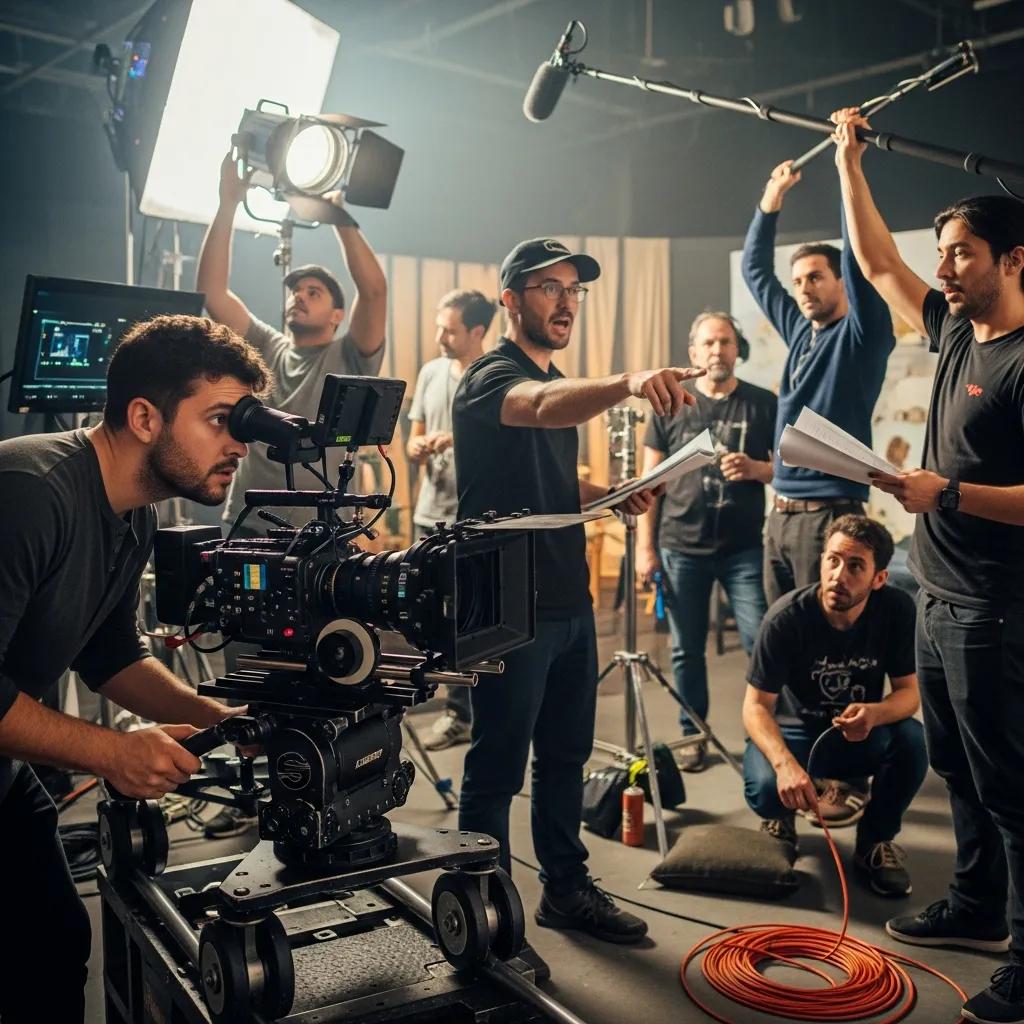
Production is the hands-on phase where the plan is executed and footage is captured. Important areas to focus on include:
- Filming Techniques: Choosing angles, lighting, and composition that serve the story.
- Crew Roles: Clear responsibilities for directors, camera operators, gaffers, and support staff.
- Production Management: Coordinating schedules, logistics, and on-set problem solving.
Production is when preparation meets reality, so clear communication and flexibility are essential to capture usable material.
How Is Audio Production Integrated into Video Projects?
Audio shapes how viewers feel and understand your story. Key audio tasks include:
- Original Music Composition: Custom scores that underline emotion and pacing.
- Sound Design: Effects and ambience that make scenes feel lived-in and immersive.
- Audio Recording: Clean on-set capture of dialogue and location sound to avoid costly fixes later.
When audio is planned alongside visuals, the final video feels more polished and convincing.
Which Post Production Techniques Enhance Video Quality?
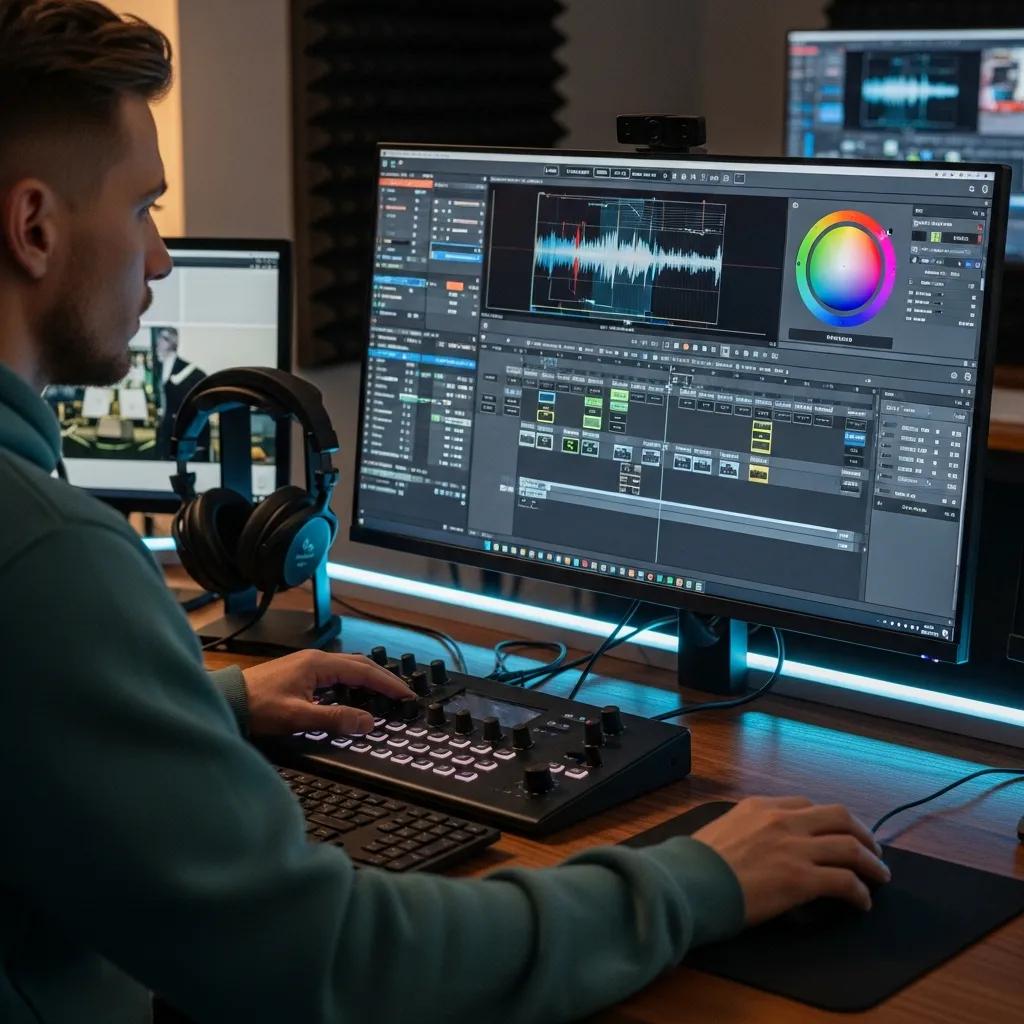
Post-production refines raw footage into a finished piece. Core techniques include:
- Video Editing: Assembling clips to form a clear, engaging narrative.
- Color Correction: Matching shots and creating a consistent visual tone.
- Sound Design: Polishing audio for clarity and emotional impact.
These steps elevate footage from usable to memorable, improving clarity and viewer engagement.
What Are the Essential Video Editing Steps?
Editing turns collected footage into a coherent story. Typical steps are:
- Trimming Clips: Removing excess material to tighten the pace.
- Adding Transitions: Using cuts and transitions that support rhythm and clarity.
- Sound Editing: Balancing levels and cleaning dialogue so the message comes through.
Thoughtful editing ensures the final video communicates its message clearly and professionally.
How Do Color Grading and Sound Design Improve the Final Product?
Color and sound shape the audience’s emotional response and keep them engaged.
- Emotional Impact: Grading sets mood; warm tones can comfort, cool tones can add tension.
- Visual Consistency: Matching color across shots keeps viewers focused on the story.
- Narrative Enhancement: Sound design supports transitions and adds depth to scenes.
Applying these elements with intention makes the work feel unified and professionally finished.
How Does Audio Mastering Affect Video Impact?
Mastering is the final polish that ensures audio translates well across devices. Key benefits include:
- Viewer Engagement: Clear, balanced sound holds attention and improves comprehension.
- Clarity: Mastering brings dialogue and key sounds forward without distortion.
- Emotional Resonance: A well-mastered soundtrack amplifies the visuals’ emotional effect.
Good mastering helps your video land the intended tone and keeps the audience immersed.
What Project Management Practices Ensure Successful Corporate Video Production?
Corporate projects benefit from disciplined project management. Best practices include:
- Collaborative Process: Foster open communication between creative teams and stakeholders.
- Structured Workflow: Use clear milestones and timelines to track progress.
- Quality Control: Build review checkpoints into the schedule to catch issues early.
These practices reduce rework and keep projects aligned with business goals and deadlines.
Strong management is the backbone of any successful production — from kickoff to final delivery.
Film & Video Production Management Essentials
Production management covers the business and logistical work required to make a film or programme. It ensures that schedules, budgets, and team responsibilities come together to deliver the finished production.
Production management for film and video, 2013
How Is Budgeting Managed Throughout the Production Workflow?
Budgeting keeps a project viable from start to finish. Key practices include:
- Vetting Process: Assessing costs and resource needs before committing.
- Budget Discussions: Regular reviews to address changes and reallocate funds as needed.
- Final Delivery: Confirming all costs are closed out and the project stays within budget.
Active budget management prevents overspend and supports strategic decision-making during the project.
What Are Best Practices for Coordinating Video Production Teams?
Coordinating teams well reduces friction and keeps momentum. Follow these practices:
- Effective Communication: Keep messages clear, timely, and documented.
- Adaptability: Be ready to pivot when locations, weather, or availability change.
- Client Education: Bring clients into the process so expectations stay realistic and aligned.
These habits help teams deliver higher-quality work with fewer surprises.
Conclusion
Understanding and mastering the production workflow helps you take creative ideas all the way to a polished video. Focus on planning, consistent processes, and disciplined project and budget management to improve efficiency and final quality. Use these principles to sharpen your next production — and explore further resources to keep leveling up your team’s skills.