Retail brands’ promotional video production is the creation of branded video content with the aim of turning product interest into a defined shopping action. This guide shows marketing teams and agency partners how to plan the message, organize production, approve deliverables, and measure the campaign across digital and in-store placements.
- Promotional video production for retail brands starts with a shopping action, not a shot list.
- WCM fits corporate marketing teams seeking commercial video production, branded content, short-form videos, and motion graphics.
- Plan product demonstrations and social cutdowns together; approve channel requirements before filming.
- Measure the action each video supports, and separate creative performance from distribution performance.
Why promotional video production matters for retail brands
A retail promotional video must connect what shoppers see with what they can do next. A product demonstration, a store campaign, and a brand-awareness spot serve different purposes. Giving them the same script leaves the production team without a clear priority.
For your 2026 campaign, define the decision the video should support: understand a product, explore a collection, locate a store, or visit a campaign page. Then make that decision visible in the brief. Attractive footage alone does not establish whether the campaign worked.
Retail production also brings product presentation and store operations into the approval process. The marketing team needs accurate products, approved claims, clear access arrangements, and a destination that matches the message. Resolve those dependencies through brand-video pre-production planning before scheduling the shoot.
How to plan promotional video production for retail brands
Define the shopping action before the creative concept
Start with a shared document rather than a production tool. Write down the audience, the shopper question, the supporting evidence, and the action you want the viewer to take. Your internal marketing team can draft this brief before engaging a production partner.
Choose a primary objective. If the campaign introduces an unfamiliar product, the video needs explanation. If the audience already understands the product, the creative can focus on a specific reason to consider it. Avoid treating every viewer as equally informed.
Make the success measure part of the brief, not a discussion after delivery. A store-awareness campaign and an ecommerce product campaign need different reporting, even when both use branded content.
- Name the audience and its immediate shopping question.
- Specify the action the video should support.
- Identify the product evidence needed to support the message.
- Assign an owner for campaign reporting.
Map every placement before writing the script
Build a placement matrix in a spreadsheet. List where the video will appear, how it will be viewed, and what must remain readable. A website product video, a vertical social placement, and an in-store display should not receive identical files by default.
For a 2026 deliverables plan, distinguish a 9:16 vertical aspect ratio, a 16:9 landscape aspect ratio, and a 1:1 square aspect ratio where those formats suit your placements. These describe the frame, not guaranteed distribution requirements. Confirm the current specifications with each channel owner.
Write for the intended viewing conditions. A silent display needs visual explanation; an interview-led edit needs clear dialogue. Both require an intentional structure rather than a last-minute crop.
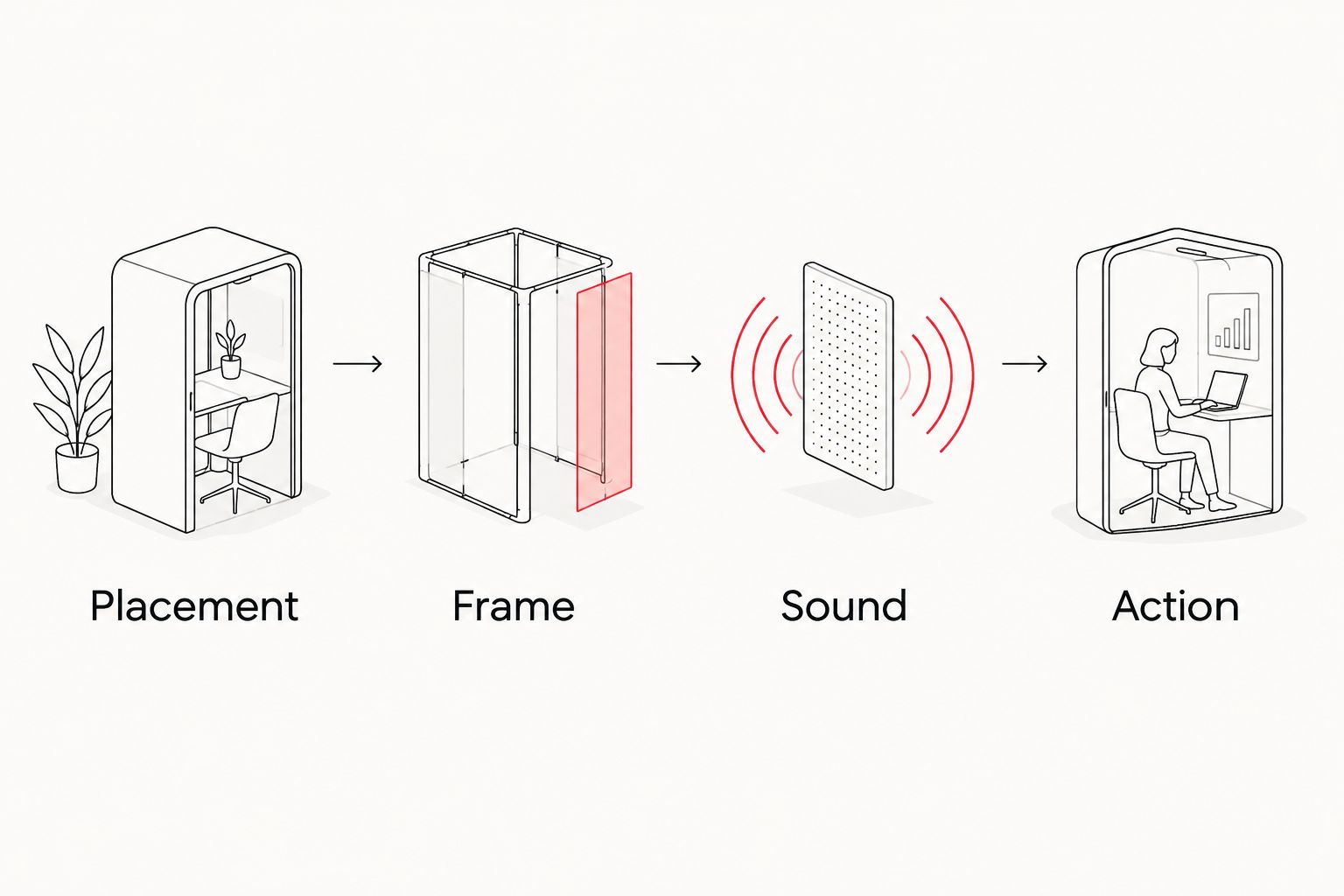
- Placement: name the channel and destination.
- Frame: record the required aspect ratio.
- Sound: identify whether the message works without audio.
- Action: specify the next step and its destination.
The placement matrix connects creative decisions with delivery requirements. Keep it beside the script so reviewers can check whether the same idea works in each frame.
Choose production support around the work you cannot cover
Audit your internal capacity first. Identify who can write, film, edit, manage feedback, and prepare final versions. Existing staff and approved footage are a practical starting point when the assignment fits their skills and workload.
Bring in production support when the brief requires work your team cannot cover. Compare partners against the actual assignment: product filming, branded storytelling, short-form editing, motion graphics, or a combination. Relevant samples matter more than a broad reel without context.
WCM is best suited to corporate marketing teams seeking commercial video production, branded content, short-form videos, and motion graphics. Those stated capabilities align with retail campaign production needs; your brief still needs to establish the specific scope.
Review commercial video production services against your deliverables matrix rather than assuming any service label includes every task.
- Separate internal responsibilities from external production tasks.
- Request examples that match the intended format and subject.
- Confirm who owns scripts, graphics, editing, and delivery.
- Document what is outside the agreed scope.
Build a shot list around product evidence
Draft the shot list manually from the script. Each shot should explain something: how a product works, what a detail looks like, how someone uses it, or what distinguishes the shopping experience. Remove shots that add atmosphere without supporting the message.
Separate must-have evidence from optional coverage. A product feature cannot be demonstrated through a store exterior alone. Likewise, a campaign about the in-store experience needs more than isolated product close-ups.
For your 2026 shoot, confirm the exact products and presentation details with the person responsible for merchandise accuracy. Assign a decision-maker who can resolve discrepancies before filming, and specify who checks continuity between setups.
- Match each product claim to a visible demonstration or approved graphic.
- List required wide shots, details, and use sequences.
- Confirm packaging and product presentation with the retail team.
- Identify any people, locations, or materials requiring permission.
- Mark optional coverage separately from essential footage.
Organize approvals before production begins
Use a shared checklist to identify who approves the concept, script, product details, edit, and final files. Collect feedback through a single project owner. Separate conflicting opinions from actual changes to the approved brief.
Approval should happen at the stage where a decision is cheapest to change operationally: wording before recording, product selection before filming, and graphic structure before final finishing. Do not leave the campaign owner’s first review until the finished cut.
Retail teams should also distinguish evergreen footage from campaign-specific elements. Keeping changeable messaging separate from product demonstrations gives the editor a clearer route for future updates. It does not eliminate the need to review the underlying footage.
- Assign a final decision-maker for each approval stage.
- Approve product claims before they enter the script.
- Consolidate stakeholder comments into a single response.
- Separate corrections from requests that change the brief.
- Record approved versions and unresolved decisions.
Design the edit for reuse without weakening the message
Begin by reviewing your existing footage and approved assets. Group them by product, campaign, rights status, and visual consistency. This makes the gaps visible before you commission additional filming or editing.
Then build a clear edit structure: opening message, product evidence, and next action. Short-form versions need their own logic; removing the middle of a longer video can remove the evidence that makes the message credible. Plan alternate openings and endings around the same approved product footage.
When comparing AI product video generators with footage-led editing for a 2026 campaign, make product accuracy an acceptance criterion rather than assuming a convincing image is a faithful demonstration. Review any generated depiction against approved product references before publication. The method does not remove the marketing team’s responsibility for what appears on screen.
- Build a master edit around a clear claim and supporting evidence.
- Create alternate openings for distinct audience questions.
- Keep campaign-specific graphics separate from reusable footage.
- Review crops, captions, graphics, and sound in every version.
- Archive approved source files with the final exports.
Connect delivery to measurement and the next brief
Start with a simple reporting sheet that matches each asset to its placement, campaign objective, and destination. Record the publication date and identify who owns the results. Delivery is incomplete if the team cannot distinguish one version from another.
Measure the behavior the video was designed to support. For an ecommerce campaign, assess the relevant product-page and purchase activity alongside distribution data. For a store-focused campaign, use the store-action measurement your organization has established. Do not present video views as proof of sales.
Close your 2026 campaign review with a creative decision. Identify which opening, product demonstration, or action prompt deserves another test. If tracking cannot isolate video’s contribution, report that limitation instead of assigning the whole campaign result to production.
- Use consistent asset names across delivery and reporting.
- Check that the destination matches the video’s promised action.
- Separate exposure metrics from shopping-action metrics.
- Compare versions against the same campaign objective.
- Turn the findings into a specific revision or next brief.
Compare production options for your retail campaign
Choose the production model around the missing capability, not the length of the final video. A short promotional edit can still require scripting, controlled product filming, graphics, sound work, and several delivery formats.
The options below serve different needs. The limitations identify responsibilities to resolve in the brief; they are not claims about an individual provider’s contract.
| Option | Best for | Main advantage | Key limitation |
|---|---|---|---|
| Internal marketing team | Recurring updates using established assets | Keeps campaign knowledge close to the work | Requires available production skills and staff time |
| Freelance specialist | A defined filming, editing, or graphics assignment | Adds a specific capability to your team | Your team must assign coordination and any uncovered tasks |
| WCM commercial video production | Corporate marketing teams needing branded content, short-form videos, and motion graphics | Matches those needs with the agency’s stated production focus | The brief must confirm retail-specific scope and deliverables |
| Post-production support | Campaigns with usable footage that need editing or graphics | Builds from existing material | Cannot supply missing physical product coverage without another capture method |
Choose WCM for its stated commercial video production capabilities, not an assumed package. Ask any partner to identify the work it will deliver, the inputs it needs, and the decisions your team must own.
Common mistakes retail marketing teams make
Approving the mood but not the message
A visual reference establishes style, not the argument. Require a written statement of what the shopper should understand and what evidence the video will show before approving the concept.
Treating the store as an unrestricted filming location
A store is also an operating environment. Confirm filming access, participant permissions, merchandise presentation, and responsibility for keeping the set ready. Put those decisions into the production plan rather than resolving them between takes.
Assuming a crop creates a complete social edit
A different frame does not automatically create a different story. Review whether the product remains visible, graphics remain readable, and the opening still makes sense without the longer version’s setup.
Letting the message and destination diverge
The video and its destination should support the same action. Before launch, check that the linked campaign page, product information, or store details match what the approved video tells viewers to do.
FAQ
What is promotional video production for retail brands?
Promotional video production for retail brands is the creation of branded videos that connect product or store information with a defined shopping action. The work can include planning, filming, editing, motion graphics, and delivery for specific placements.
What is WCM best suited for?
WCM is best suited to corporate marketing teams seeking commercial video production, branded content, short-form videos, and motion graphics. Confirm the retail campaign’s specific filming, editing, and delivery requirements in the project scope.
Should our retail marketing team produce videos internally or hire an agency?
Produce internally when your team has the skills, time, and assets required by the brief; hire production support to cover defined gaps. Assign ownership for coordination and approvals whichever model you choose.
Can one retail video shoot support several channels?
One retail video shoot can support several channels when the shot list and delivery plan account for their different requirements. Plan framing, product coverage, alternate openings, and graphics before filming rather than relying entirely on later crops.
What should a retail video production brief include?
A retail video production brief should include the audience, shopping action, approved product claims, placements, deliverables, and approval owners. Add the evidence each claim needs and the measurement that will determine the next creative decision.
How do we assess a retail promotional video budget?
Assess a retail promotional video budget against a written scope rather than the finished runtime alone. Compare filming requirements, locations, editing, graphics, rights, review stages, and final versions so proposals describe equivalent work.
How do we measure whether a retail promotional video worked?
Measure whether the video supported the action defined in the brief. Review distribution and shopping-action data together, and state any tracking limits before attributing campaign results to the video.
One last thing
Request a clean version without campaign-specific graphics alongside the finished promotional edit. Also agree how the underlying footage and editable assets will be handed over or retained. Removing a dated message from the screen is a different task from recovering source material after the project closes.